

About
The work that has shaped me as a psychologist and as a person
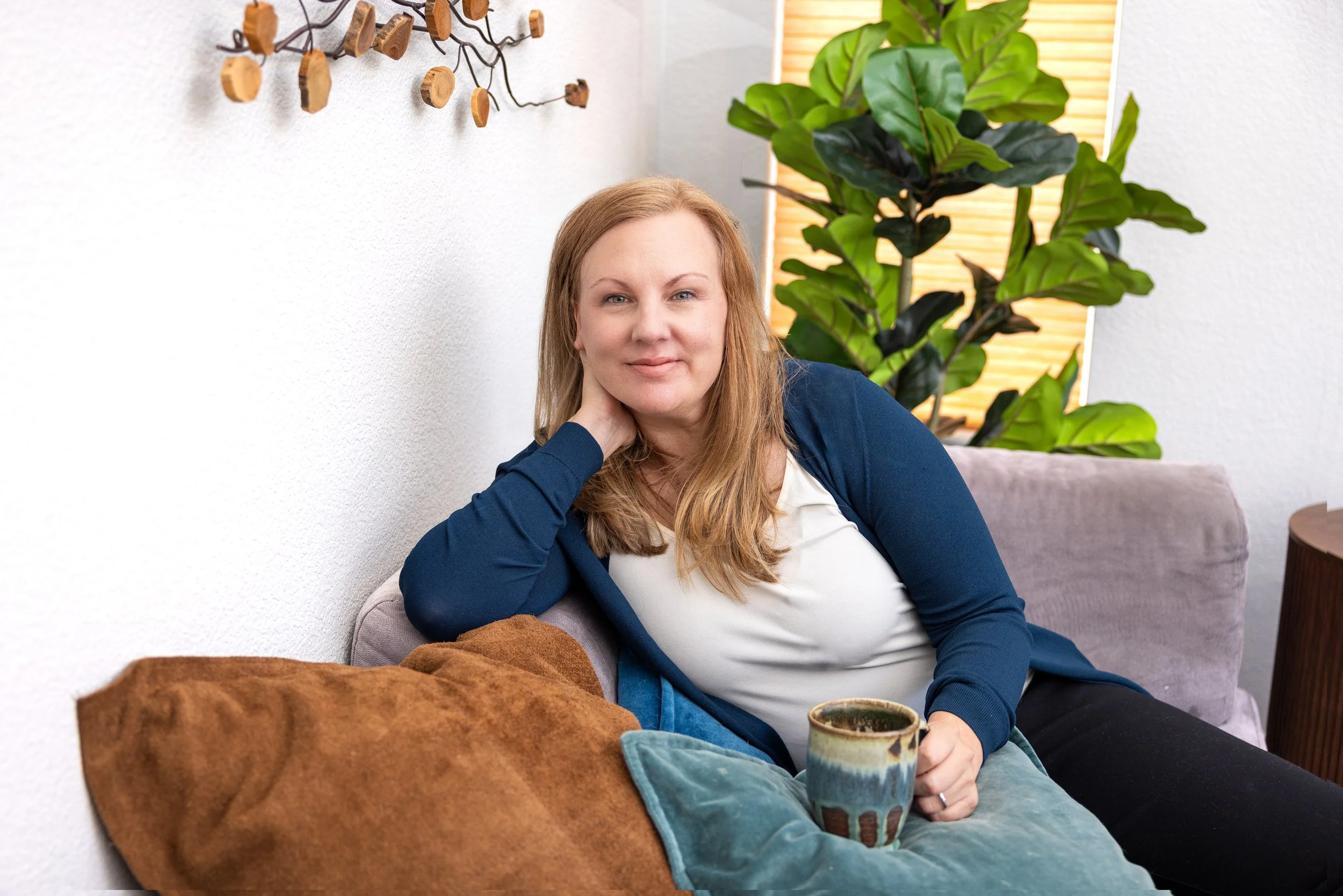
For nearly two decades, individuals and families living with neurological and serious illness have entrusted me to accompany them through some of the most vulnerable seasons of their lives.
Again and again, I have been invited into conversations about fear and hope, love and loss, identity and change, uncertainty and choice, trauma and resilience. These experiences have deepened not only my understanding of psychological care, but also of what it means to be a human being and to accompany another person through profound change.
I'm Dr. Nicole Sucre, a palliative care psychologist specializing in neurological illness. The psychologist I am today has been shaped by many influences—my own early experiences with life-threatening and life-changing illnesses, years of specialized training and experience, and the extraordinary people who have allowed me to share in their lives. Together, they continue to shape how I understand this work and the care I strive to offer each person who entrusts me with theirs.

Finding my professional home
Long before I became a psychologist, I was drawn to the human experience of serious illness. Early experiences with life-threatening and life-changing illness introduced me to experiences I didn't yet have words for. I started to see how illness reaches far beyond the body — reshaping emotional life, relationships, hopes for the future, and the everyday rhythms of life.
Those experiences drew me toward healthcare and eventually psychology. As my training unfolded, psychology gave me a language for understanding suffering, resilience, attachment, trauma, and healing. It also gave me the privilege — and responsibility — of meeting people in some of life's most difficult moments.
As I entered healthcare, I found myself returning again and again to conversations that reached beyond surface symptoms and treatment plans. I was drawn to the emotional and relational dimensions of illness: how people made sense of what was happening, how families adapted together, what people feared losing, and what they hoped to preserve.
In my postdoctoral training, I discovered palliative care and palliative care psychology, and something just clicked. It brought together everything that had been drawing me to this work from the beginning: human experience, thoughtful medical care, psychological depth, communication, genuine relationship, and a commitment to caring for the whole person and family as they navigated serious illness.
Early on, my training included a focus on neurological illness — an interest that has grown and deepened over the course of my career.
Neurological conditions often bring together many of the questions that have shaped my work from the beginning. Supporting people through these changes has deepened my understanding of what psychological care can offer — not by removing uncertainty, but by helping people remain connected to themselves, to the people they love, and to what gives life meaning even as circumstances change.

The values I bring to our work

The experience I bring to your care
My work is grounded in nearly two decades of specialized clinical experience, specialized training, and ongoing professional development. The sections below offer more detail about the experience that informs my practice today.
-
DOCTORAL & GRADUATE EDUCATION
Doctor of Psychology (PsyD) in Clinical Psychology | 2008
California Institute of Integral Studies | San Francisco, CaliforniaMaster of Arts (MA) in Clinical Psychology | 2005
California Institute of Integral Studies | San Francisco, CaliforniaPOSTDOCTORAL FELLOWSHIPS
Advanced Postdoctoral Fellowship in Health Psychology | 2009–2010
California Pacific Medical Center | San Francisco, California
Advanced specialization in palliative care psychology and neuropsychological assessment and care.Postdoctoral Fellowship in Health Psychology | 2008–2009
California Pacific Medical Center | San Francisco, California
Specialized training in palliative care psychology, neuropsychological assessment and care, psycho-oncology, advanced heart and lung disease, and organ transplant assessment and care.PREDOCTORAL INTERNSHIP
Predoctoral Internship | 2007–2008
Institute on Aging | San Francisco, California
Specialized training in geropsychology and neuropsychological assessment and care.ADDITIONAL EDUCATION & EARLY CLINICAL TRAINING
Clinical Psychology Practicum Training | 2002–2005
Haight Ashbury Psychological Services | San Francisco, California
Clinical training in Dialectical Behavior Therapy (DBT), Acceptance and Commitment Therapy (ACT), Eye Movement Desensitization and Reprocessing (EMDR), and Cognitive Behavioral Therapy (CBT).Bachelor of Science (BS) in Psychology & Bachelor of Arts (BA) in Religious Studies | 2001
Regis University | Denver, Colorado -
Founder & Palliative Care Psychologist | 2025–Present
Healing Bridge Psychology
Founded Healing Bridge Psychology to provide specialized palliative psychological care for people living with neurological illness and their loved ones.Palliative and Neuropalliative Care Psychologist | 2023–2025
University of Colorado
Provided palliative psychological care for individuals and families living with serious and neurological illness as part of an interdisciplinary outpatient palliative care team.Lead Medical Aid in Dying Navigator | 2024–2025
University of Colorado
Led system-wide Medical Aid in Dying navigation, contributed to the development and implementation of clinical protocols, and provided consultation, education, and support to physicians prescribing MAiD.Advisor, Work Group for End-of-Life Care Guidelines | 2017
American Psychological Association
Contributed expertise in palliative psychology and psychological care at the end of life to the development of the APA End-of-Life Care Guidelines for Psychologists.Palliative Care Psychologist | 2011–2015
Alameda Health System
Served as the attending psychologist on the inpatient palliative care team and co-founded and co-directed the health system’s first outpatient palliative care clinic.Palliative Care Psychologist, Consultant & Educator | 2010–2023
Private Practice | San Francisco Bay Area
Provided psychotherapy to individuals and families living with serious illness and served as a consultant, educator, and palliative psychology resource to healthcare professionals and organizations, including UCSF, John Muir Health, Sutter Health, and Alameda Health System. -
My work is also informed by additional advanced training in approaches that support emotional healing, relational connection, adaptation, and psychological care across the course of serious and neurological illness.
Psychological Care in Serious and Neurological Illness
Palliative care psychology and neuropalliative care
Psychological care across illness progression and changing needs
Dignity Therapy and dignity-informed care
Communication in advanced illness
Contemplative approaches to end-of-life care and communication
Advance care planning, medical decision-making, and care transitions
Medical Aid in Dying (MAiD)
Pain management and the interaction of physical and emotional symptoms
Neurobehavioral and neuropsychiatric symptoms
Experiential and Relational Psychotherapy
Accelerated Experiential Dynamic Psychotherapy (AEDP)
Attachment- and relationship-focused psychotherapy
Emotion-focused and experiential psychotherapy
Emotional regulation, agency, and transformational change
Trauma-Focused Therapy & Emotional Regulation
Eye Movement Desensitization and Reprocessing (EMDR)
Dialectical Behavior Therapy (DBT)
Trauma-focused psychotherapy
Complex and relational trauma
Trauma-informed psychological care in medical settings
-
Selected Publication
Medical Aid in Dying: An Overview for Neurologists
Christina Vaughan, MD, MHS & Nicole Sucre, PsyD
Practical Neurology, March 2025Professional Associations
American Academy of Hospice and Palliative Medicine
International Neuropalliative Care Society
AEDP Institute
Colorado Psychological Association

Begin with a conversation.
Finding the right therapist matters. If something in you senses it's time for more support as you live with a neurological illness, I invite you to schedule a free 20-minute phone consultation. We'll talk about what you're experiencing, answer your questions, and see whether working together feels like the right fit.