

About
Whether you're living with an illness yourself or caring for someone who is, I welcome you to bring the full experience of what you're living with—your fears and hopes, your relationships, the care you give and receive, and the difficult decisions you face.
There is room here for all of this, and for everything that makes you who you are.
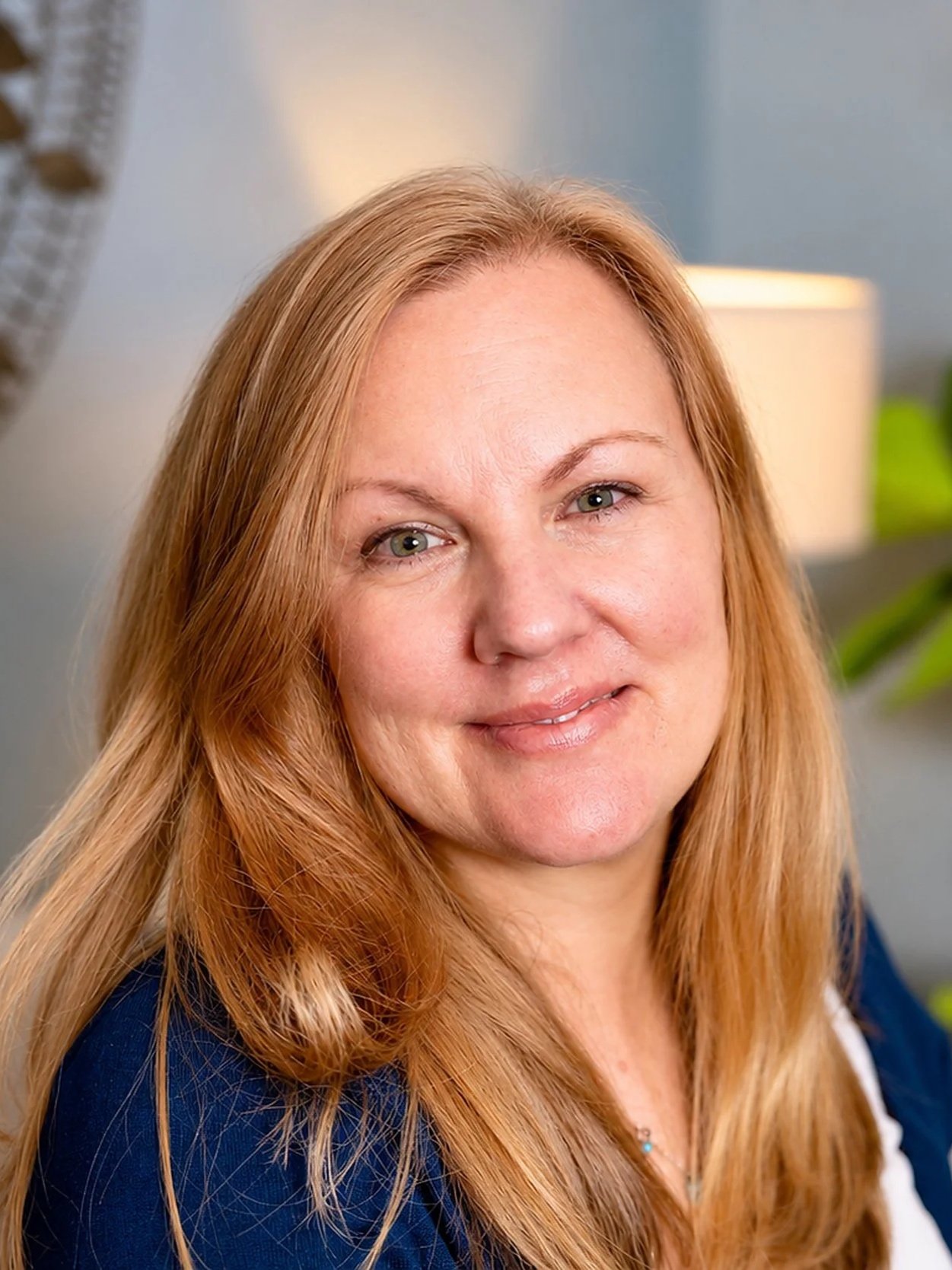
I'm Dr. Nicole Sucre, a palliative care psychologist specializing in neurological illness and the founder of Healing Bridge Psychology.
For nearly two decades, I've cared for people and families living with neurological and other serious illnesses, bringing together specialized expertise in palliative care and advanced training in psychotherapies that support resilience, healing, and adaptation through loss, trauma, and change.
The emotional and relational changes that come with neurological illness deserve the same depth of care, clinical skill, and attention as its medical challenges.
That's the commitment I bring to my work as a psychologist.

About Me
Long before I became a psychologist, I was drawn to the deeply personal experiences of living with illness that aren’t always visible to others.
The private fears, the changes in relationships, the ordinary moments that become unexpectedly painful or meaningful, and the humanity that can so easily become overshadowed by the medical.
My early experiences with life-threatening and life-changing illness shaped the way I saw and understood what people were living through. Years later, as I began working in healthcare, I found myself especially drawn to the quiet, in-between moments with patients and families.
These were the moments when the medical receded for a while and more of a person's life came into view.
Their fears and hopes.
What and who they loved.
Their unique life experiences and perspectives.
What illness had changed, what they were carrying, and what they were trying to hold onto.
Those moments stayed with me.
I could feel how much of what happened emotionally and between people mattered. I could see how deeply those experiences shaped people's lives with illness.
These weren't incidental concerns, or simply opportunities to be kind.
They were woven into the illness itself—shaping how people responded to fear and uncertainty, gave and received care, communicated with one another, and made difficult decisions.
They mattered to how people lived each day, through weeks, months, and sometimes years of illness.
They could influence how the end of life unfolded, and what the people they loved carried with them afterward.
I wanted to be able to offer meaningful care for these parts of people's lives.
That desire led me to psychology and, eventually, to palliative care.
This is the work that I love.


My Professional Background
Clinical Experience
My work has spanned public safety-net hospitals, private and academic medical centers, inpatient and outpatient palliative and neuropalliative care, and private practice. I've provided psychotherapy, psychological consultation, and interdisciplinary care for people and families across the course of serious illness—from new diagnoses and complex treatments through lasting changes, progressive illness, the end of life, and bereavement.
At Colorado University, I developed a dedicated palliative care psychology service within outpatient palliative and neuropalliative care. Earlier in my career, I co-founded and co-directed the first outpatient palliative care clinic at Alameda Health System. Across the San Francisco Bay Area, I maintained a specialized palliative care psychology practice, providing psychotherapy to individuals and families and serving as a consultant, educator, and psychological resource to clinicians and healthcare organizations, including UCSF, John Muir Health, Sutter Health, and Alameda Health System.
My clinical leadership has included supporting patients, physicians, and healthcare teams through complex decisions in serious illness care. As Lead Medical Aid in Dying Navigator at Colorado University, I provided system-wide consultation and physician education, developed protocols and educational resources, and guided institutional policies and procedures in response to changes in Colorado law.
Teaching, Supervision & Professional Contributions
I've taught psychologists, therapists, physicians, nurses, and other interdisciplinary healthcare professionals in clinical training programs, medical centers, and professional conferences.
My teaching has covered psychological symptoms and symptom management in serious illness, trauma-informed care, grief and bereavement, advance care planning, medical aid in dying, and complex end-of-life decisions. I've also taught about the emotional and relational experiences of patients, families, and healthcare professionals.
I've supervised and supported clinicians through case consultation, reflective practice, and facilitated groups exploring the emotional and relational aspects of clinical care. I'm also a trained and experienced Schwartz Rounds facilitator, helping healthcare professionals reflect together on the human and emotional dimensions of providing care.
Beyond teaching, I've brought psychological expertise to the development of palliative care services, clinical programs, and the policies and procedures that shape patient care in healthcare systems.
I've also contributed to broader professional guidance and education, serving as an advisor on the American Psychological Association's Resolution on Palliative Care and End-of-Life Issues and coauthoring an overview and clinical guide to medical aid in dying for neurologists, published in Practical Neurology.
Education & Advanced Training
I earned my doctorate in Clinical Psychology (PsyD) from the California Institute of Integral Studies in 2008, following a master's degree in Clinical Psychology.
My internship training specialized in geropsychology and neuropsychological assessment and care. I went on to complete two years of specialized postdoctoral fellowships in health psychology at California Pacific Medical Center, with a focus on palliative care psychology, alongside training in neuropsychology, psycho-oncology, advanced heart and lung disease, and organ transplantation.
Alongside my specialization in palliative care psychology, I've devoted years to advanced training in experiential, attachment-based, and trauma-focused psychotherapy, particularly Accelerated Experiential Dynamic Psychotherapy (AEDP). This has been an integral part of my professional development, strengthening my ability to work deeply with emotional suffering, trauma, and relational experiences, and to support meaningful psychological and relational healing in the context of serious illness.
My continued development in palliative care psychology includes specialized training in dignity therapy, meaning-centered approaches to serious illness, contemplative end-of-life care, pain and neurobehavioral symptom management, and the complex communication and decisions that arise throughout serious illness.

Let’s Talk.
Finding the right therapist matters. A free 20-minute phone consultation is an opportunity for us to get to know one another a little. I'd welcome hearing about what you're living with, what brings you to therapy, and what you're hoping for. We can talk about your questions and whether working together feels like the right fit.