
About Me
Nicole Sucre, PsyD
Palliative Care Psychologist in Denver, Colorado

The Experience and Values I Bring to This Work
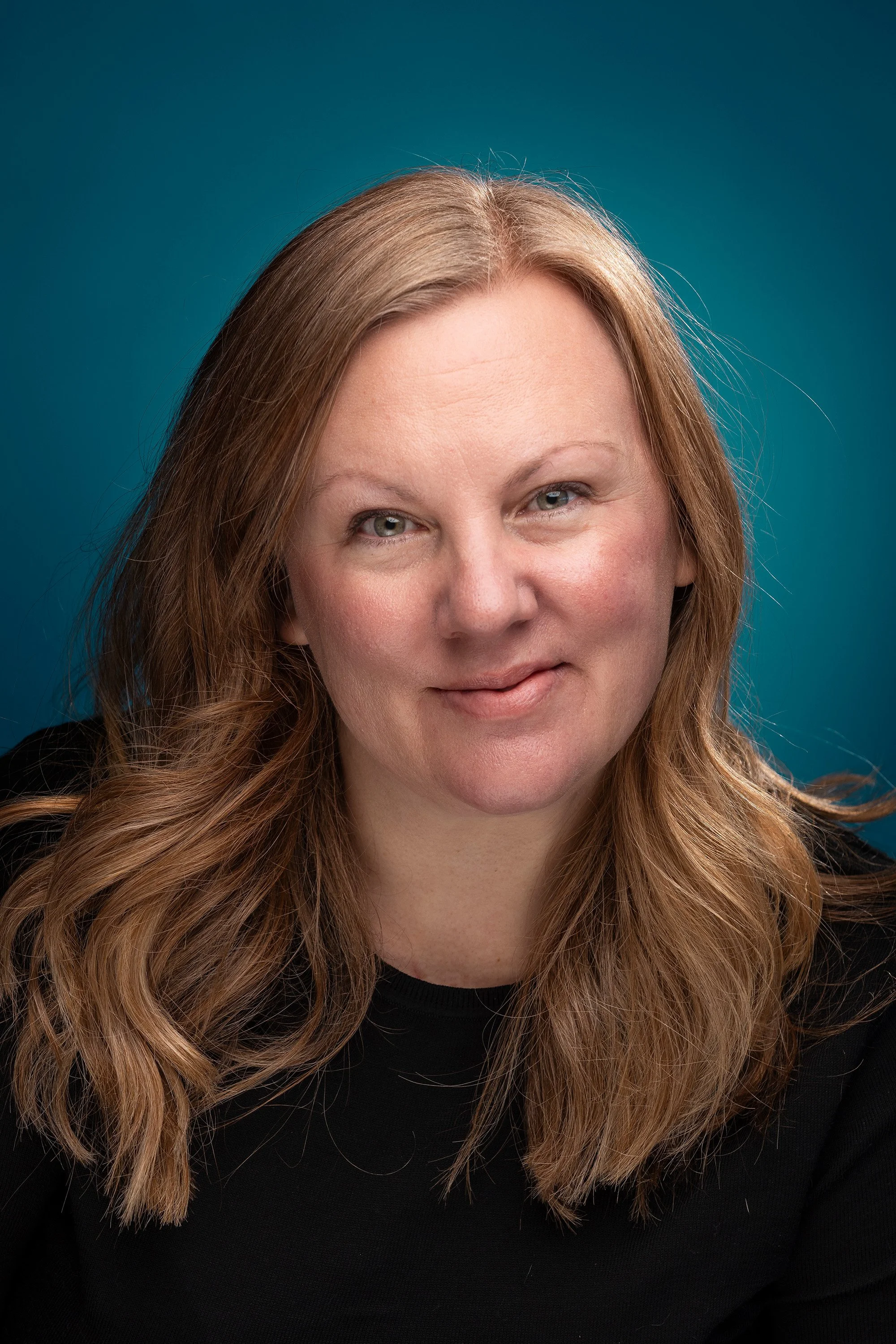
If you’re considering working together, it may be helpful to share a bit about my background and how I approach this work.
I am a palliative care psychologist dedicated to supporting the emotional and relational realities of living with neurological illness.
The way I approach this work has been shaped by my own life experiences, years of caring for and learning from people navigating serious illness, as well as the physicians, nurses, social workers, psychologists, and chaplains I’ve worked alongside.
Since 2008, I have practiced in both medical and private practice settings. I have served as an integrated palliative care psychologist on both inpatient and outpatient palliative care teams, as well as a community consultant, educator, and therapy resource.
For nearly two decades, my work has focused on the ways serious illness reshapes daily life — how it touches identity, relationships, decisions, and the emotional experiences that are often invisible and unspoken. I am especially drawn to life changing neurological illnesses, where the long term burdens, challenges to personhood, and mix of both visible and unseen changes can be particularly profound.
Supporting people to reconnect with and reclaim their core selves through the loss and change of neurological illness is at the heart of my work. I value compassion and genuine relationship, alongside practical, thoughtful approaches that support meaningful and sustainable adaptation and growth over time.
I am committed to ongoing professional and personal growth. I engage in advanced training and ongoing consultation with trusted colleagues and mentors, and I am committed to my own therapy as an essential source of both personal healing and responsible clinical practice.
I also consider the patients and families I work with to be among my most important teachers. Being trusted to accompany individuals and families through these chapters of life continually deepens me as a clinician and as a person. I approach our work with openness and humility, and I invite ongoing conversation so that therapy remains responsive, collaborative, and truly supportive of your needs.
I value bringing my full presence and attention to your experience of illness, while holding in view the whole of who you are - both within and beyond what you are facing medically.
My Professional Background and Training
Education
I earned my Doctor of Psychology (PsyD) in 2008 and Master of Arts in Clinical Psychology in 2005 from the California Institute of Integral Studies in San Francisco, California.
I completed my Bachelor of Science in Psychology at Regis University in Denver, Colorado in 2001.
Formal Clinical Training
I completed my predoctoral internship in geropsychology and neuropsychological assessment at the Institute on Aging in San Francisco.
Following internship, I completed my postdoctoral fellowship in Health Psychology at California Pacific Medical Center in San Francisco, where I specialized in palliative care psychology, neuropsychology, psycho-oncology, advanced heart and lung disease, and organ transplant.
I fell in love with palliative care during my fellowship, and upon completion of my postdoctoral fellowship year, I pursued an additional year of advanced postdoctoral fellowship at California Pacific Medical Center focused solely on palliative care psychology and neuropsychological assessment.
Academic and Clinical Leadership
Most recently, I served as the first palliative care psychologist at the University of Colorado, where I was an Assistant Professor providing outpatient palliative and neuropalliative psychological care.
During my time at the University of Colorado, I also served as the system wide Lead Navigator for Medical Aid in Dying, working to develop and implement system wide protocols, as well as education and support for medical providers.
Previously, I served as the attending palliative care psychologist on the inpatient palliative care team at Highland Hospital, a public safety net hospital in Oakland, CA.
Through a year long mentoring program with the University of California San Francisco and California Health Care Foundation, I co-founded and co-directed the first outpatient palliative care clinic in the Alameda Health System in Oakland, CA.
I have also served as an advisor to the American Psychological Association Work Group for End of Life Guidelines, and have held leadership roles in the implementation of the Schwartz Rounds for Compassionate Healthcare, supporting clinicians in reflecting on the emotional dimensions of healthcare.
Alongside these roles, I have maintained a private practice focused on psychotherapy for individuals and families living with serious illness since 2010, and frequently serve as a community consultant, educator, and resource for palliative care psychology.
Advanced Training
My work is also informed by ongoing advanced training in approaches that support emotional healing, relational connection, and psychological care in the context of serious illness:
Experiential and Relational Psychotherapy
Accelerated Experiential Dynamic Psychotherapy (AEDP)
Attachment and relationship-focused therapy
Emotion-focused and experiential psychotherapy
Trauma Focused Therapy
Eye Movement Desensitization and Reprocessing (EMDR)
Dialectical Behavior Therapy (DBT)
Trauma-focused psychotherapy and trauma-informed care in medical systems
Psychological Care in Serious Illness
Dignity Therapy and dignity informed care
Contemplative end of life communication and care
Communication in advanced illness
Best practices in neuropalliative care
Advanced care planning and end-of-life decision making
Medical Aid in Dying (MAiD)
Pain management
Neurobehavioral and neuropsychiatric symptoms
Publications
Medical Aid in Dying: An Overview for Neurologists
Christina Vaughan, MD, MHS & Nicole Sucre, PsyD
Practical Neurology, March 2025
Professional Associations
I am a member of:
American Academy of Hospice and Palliative Medicine
International Neuropalliative Care Society
AEDP Institute
Colorado Psychological Association
Begin a Conversation
If something in you senses it may be time for more support, I invite you to reach out.
I offer a free 20 minute phone conversation - a simple place to begin.
The first shift begins by reaching out and having a conversation.