Trauma and PTSD and Neurological Illness
Trauma in neurological illness can arise from many places.
It may arise from unpredictable symptoms, fightening medical events, overwhelming healthcare experiences, or moments when the body felt out of control. Often, earlier life trauma can surface again through the vulnerability, uncertainty, or loss of control that illness can bring.
I work with individuals, caregivers, and couples navigating trauma within the complex realities of neurological illness, offering care that is deeply trauma-informed and attentive to how trauma lives in the body, mind, and relationships.
When Your System No Longer Feels the Same
Trauma does not always arrive as a single dramatic event.
Sometimes it develops through repeated procedures, unpredictable symptoms, navigating complex medical systems, or moments when decisions carry enormous weight.
You may remember specific events vividly.
Or you may carry a sense of bracing that never fully settles.
Your body may still react to certain reminders - medical settings, waiting for results, sudden symptoms, or conversations about the future.
These moments can activate reactions that feel stronger than you expect. They can also activate avoidance and numbing.
None of this means you are doing something wrong.
These responses reflect how the nervous system responds to overwhelming disruptions of stability, trust, or control.
When Illness and Medical Care Are Sources of Trauma
Medical trauma can arise when experiences feel overwhelming, invasive, frightening, or outside your control.
Unpredictable symptoms. Procedures. Hospitalizations. Emergency situations. Rapid changes in function. Difficult conversations. Feeling unheard or alone in important decisions.
Even when care is appropriate and necessary, the intensity of these moments can leave a lasting imprint on the nervous system.
When the Nervous System Has Changed
Some neurological conditions increase the nervous system’s sensitivity to stress or sudden change.
You may find yourself startling more easily, feeling flooded quickly, or struggling to regulate emotions that once felt manageable.
Emotions may feel intensified in ways that are hard to make sense of. Or they may feel strangely distant or muted.
These experiences can be both confusing and overwhelming - especially when they do not feel like your usual way of responding.
When Illness Makes Relationships More Tender
Illness can reactivate earlier relationship wounds.
If you have a history of feeling unsupported, unsafe, or alone during difficult times, a neurological diagnosis may bring those patterns closer to the surface.
You may fear being a burden.
Struggle to ask for help.
Feel deeply uneasy with the uninvited dependence of an illness.
In relationships, protective patterns may intensify. You may withdraw and minimize your needs. Or seek reassurance more urgently.
These patterns are ways your system has learned to cope when care and connection have felt uncertain.
When the Ground Beneath You Feels Different
Serious illness can bring questions about control, meaning, choice, and mortality closer than most people expect.
Moments when the future feels suddenly fragile can leave a lasting imprint. You may feel unmoored from the assumptions that once grounded you.
These are human responses to vulnerability.
They reflect the heart and mind trying to find their footing in a reality that has changed.

Even Here, Greater Security and Trust Are Possible
Trauma in serious illness can leave you feeling braced, guarded, and alone inside of ongoing vulnerability.
Past experiences, medical events, and ongoing uncertainty can begin to overlap in ways that feel difficult to untangle.
You may find yourself withdrawing, reacting sharply, or shutting down in ways that feel confusing and painful — even when you are trying your best to cope.
Nothing about these reactions means you are weak or failing.
They reflect a nervous system that has been working hard to protect you.
You do not have to push these reactions away or “fix” them in order to begin healing.
What is overwhelming and isolating can begin to shift when it is met with genuine care, respect, and skilled accompaniment.
Experiences that once had to be carried alone can begin to be understood, felt, and integrated in a way that restores a sense of coherence and dignity.
In our work together, we begin by creating a steady, engaged relationship where your nervous system does not have to work so hard to protect itself.
We strengthen your ability to notice what you are feeling without becoming flooded or shut down. We gently identify protective patterns that once helped you survive, but may now be narrowing your life, and begin building new ones.
Throughout the work we remain attentive to the experiences you have been carrying alone. As stability and trust grow, we are often able to approach the experiences you have been carrying more directly - in memory, in body, and in your emotional life.
Over time, what once felt overwhelming can begin to be held with greater understanding, care, and choice.
This is not about erasing what happened.
It is about restoring access to the fuller range of who you are.
As trauma heals, many people notice quiet shifts.
Less bracing.
Less reactivity.
More room inside.
A greater capacity to feel without being overtaken - and a growing ability to enjoy moments of connection, meaning, and the life that continues alongside illness.
You may find it easier to advocate for yourself, ask the questions that matter, and make the decisions that are right for you - even in conversations that are difficult, complicated, or high stakes.
Trust becomes more possible.
Illness and trauma no longer automatically disrupt connection - or silence you.
Healing trauma is not rigid or linear. It often involves expansions and contractions, especially when trauma is longstanding or complex. That is part of the work — not a sign that something is wrong.
The goal is not to eliminate medical uncertainty.
It is to help your system feel more security and trust within it.
So that your body does not have to stay in constant defense.
So that you can live more grounded in yourself — able to feel, connect, choose, and advocate from the deeper center of who you are, even as medical realities continue.
We are not meant to heal trauma in isolation.
About My Work With Trauma
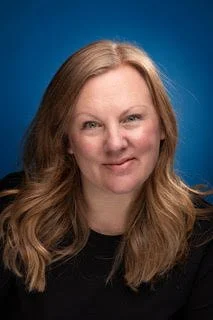
I’m Dr. Nicole Sucre, a palliative care psychologist with extensive experience and training in trauma therapy and nearly two decades of experience working at the intersection of medical complexity and emotional life.
Trauma treatment is a central part of my practice. I work with individuals whose trauma stems from medical events, earlier life experiences, complex systems of care, or the ongoing vulnerability of living with a life changing diagnosis.
Illness can reactivate old wounds. Medical procedures can overwhelm the nervous system. Prolonged uncertainty can quietly reshape how secure the world feels. I approach this work with both psychological depth and familiarity with the realities of neurological conditions.
My trauma work is relational and carefully paced. We begin with stability and trust. We strengthen emotional awareness and regulation. We gently identify protective patterns that once helped you survive but may now be limiting connection, voice, or choice.
When appropriate, we move into processing traumatic experiences in a way that helps the body and mind reorganize them — so they no longer intrude, dominate, or silence you.
I pay close attention to how trauma affects relationships, communication, and your sense of self — including how you show up with loved ones and medical providers. Healing is not only internal. It often restores voice, steadiness, and dignity in the places where trauma once narrowed you.
This work requires care, pacing, and precision. I bring steadiness, experience, and respect for the complexity of what you have lived through.
You do not have to carry it alone.
Taking the Next Step
If you are living with neurological illness, or supporting someone who is, and trauma is impacting your life, I invite you to reach out.
A free 20-minute phone consultation offers a simple place to begin.
The first shift begins by reaching out and having a conversation.