
Therapy for Individuals Living with Neurological Illness
Living with a neurological illness affects much more than your body.
It can shift how you experience yourself. How you move through daily life. How you relate to the people around you - and how they relate to you.
Plans that once felt simple may now require more thought. Tasks may take more effort. Energy may feel unpredictable.
Some changes are visible. Others are not.
You may be carrying physical symptoms, changes in memory or thinking, medical decisions, and uncertainty about what lies ahead.
At the same time, there are emotional shifts that can feel confusing or difficult to name.
Irritability. Discouragement. Anxiety. Tearfulness that surprises you. A heaviness that feel different from ordinary sadness.
Sometimes these shifts are responses to loss and stress. Sometimes they are influenced directly by neurological change. Often, they are both.
You are finding your way inside a life that looks different now.
You do not have to do that alone.
When Your Body and Mind Are Less Predictable
Neurological illness can introduce uncertainty into places that once felt automatic.
Your body may feel less reliable. Memory and thinking may be changing. You may hesitate before committing to plans because you are unsure how you will feel.
That unpredictability can create anxiety. A sense of bracing. A quiet vigilance.
You may find yourself scanning for symptoms. Monitoring changes. Wondering what is next.
Living with that level of uncertainty takes energy.
When Relationships Begin to Feel Different
Illness rarely stays contained within one person. It also touches relationships.
Some may respond with concern, caution, or increased help. Others withdraw, unsure how to respond.
You may feel more dependent than you want to be. Or misunderstood. Or alone in experiences that are difficult to explain.
At times, it can feel easier to withdraw than to keep translating what you are living with.
Isolation can grow quietly — even when people are around you.
When You Feel Different to Yourself
Illness can touch roles that once felt central to who you are.
Professional life. Physical abilities. Independence. Reliability. Spontaneity.
You may notice subtle changes in how others respond to you. More concern. More assistance. More caution. Even when well-intended, this can affect how you see yourself.
There can be grief for the version of you who felt more capable, more spontaneous, more certain.
And yet - even in the midst of change - there are core aspects of you that remain vital.
Your values.
Your unique strengths, perspectives, and experiences.
Your capacity to love, choose, and respond to the people and moments that matter.
When Earlier Experiences Resurface
Illness does not enter a blank slate. It enters a life already shaped by history, love, loss, pain, strength, and the values that guide you.
A neurological diagnosis can bring those layers into sharper focus.
Earlier experiences of depression or anxiety may resurface under stress.
Past trauma may be stirred by the illness, procedures, or navigating complex medical systems.
Ways of coping or relating to others that once helped you manage life’s challenges may begin to feel more strained as illness places more pressure on you.
These responses are not signs of weakness.
They are human responses to profound change.

Even Here, There Is Something Vital
You may feel unlike yourself.
Fear, loss, and uncertainty can quietly pull you away from the core places within you.
The parts of you that feel.
That choose with intention.
That love and respond with integrity.
When you say, “I don’t feel like myself,” it does not mean you are disappearing.
Often, it means the strain of what you are living with has overshadowed those vital places.
In our work together, I help you reconnect with them.
Not by denying what is changing.
But by helping you stay connected with who you are within them.
So that you can live with neurological illness more at ease within yourself.
More connected with the people you love.
More grounded in what matters most.
Able to hold both the grief and the life that is still unfolding.
You remain more than this illness.
About My Work with Individuals Living with Neurological Illness
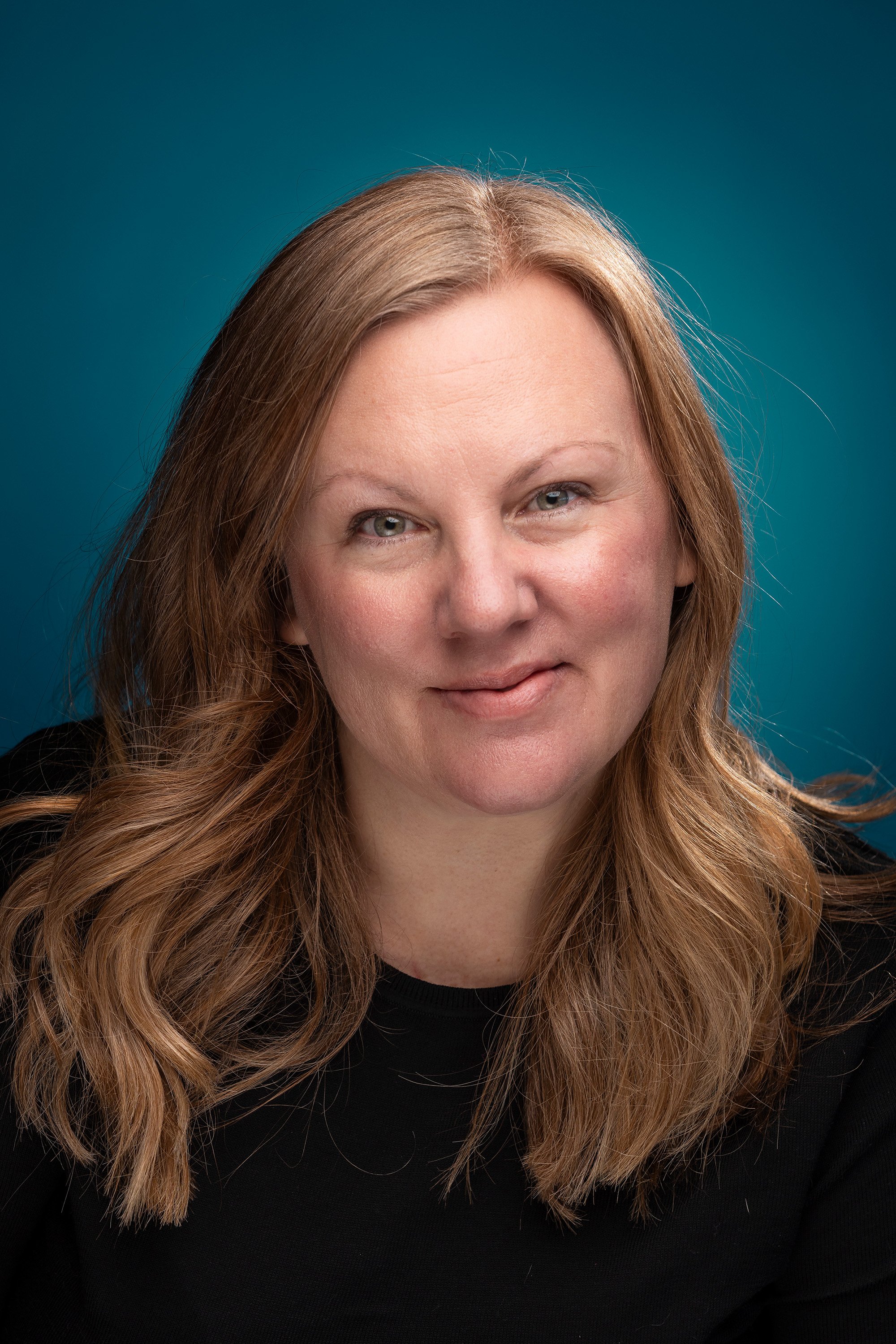
I’m Dr. Nicole Sucre, a palliative care psychologist specializing in neurological illness.
Much of my professional life has been spent alongside people navigating the ongoing realities of progressive diagnoses—where medical change intersects with identity, relationships, and the emotional experience of daily life. I understand how illness can reshape your sense of self over time, and how much of that experience can remain unseen by others.
In this work, I bring both familiarity with the medical context of neurological conditions and advanced training in therapies that support resilience, healing, and adaptation through loss, trauma, and change.
My approach is steady, thoughtful, and relational. I offer a space where you can feel deeply seen and understood—not only in what you are facing medically, but in who you are as a person.
Taking the Next Step
If something in you senses it may be time for more support, I invite you to reach out.
A free 20-minute phone consultation offers a simple place to begin.
The first shift often begins simply by reaching out and having a conversation.