Psychological Support for Medical Decision Making
Facing medical decisions in neurological illness is not only a medical process.
It also involves emotions, relationships, and the deepest questions about how you want to live.
I provide psychological support for individuals, caregivers, and couples as they navigate the emotional and relational weight of complex medical decisions — including treatment choices, advance care planning, changes in level of care, and end-of-life choices.
When the Choices Feel Heavy and Uncertain
Neurological illness can bring decisions you never imagined facing.
Treatment options. Surgical procedures. Rehabilitation choices. Transitions to assisted living or skilled care. Advance directives. Comfort-focused care.
Even when decisions are necessary, they can feel heavy.
You may find yourself wondering:
Am I doing enough?
Am I doing too much?
What will this mean for my quality of life?
How will this affect the people I love?
It can feel as though every option carries both hope and loss.
Information alone rarely settles these questions.
A big part of what makes them so difficult is the emotional and relational weight they carry.
When Emotions Pull in Different Directions
Medical choices often stir powerful and conflicting emotions.
Fear of decline.
Hope for improvement.
Grief about what has already changed.
Anger at having to decide at all.
Guilt about the impact on loved ones.
You may feel torn between fighting for more time and protecting quality of life. Between wanting certainty and knowing it may not be possible.
Some people find themselves frozen in indecision. Others feel pressure to decide quickly.
Both are understandable responses when the stakes feel high.
When Planning for the Future Feels Daunting
Conversations about advance directives, living wills, and future care preferences can feel overwhelming.
Talking about possible decline or end-of-life wishes may bring sadness, anxiety, or even relief.
For some, these conversations feel empowering.
For others, they feel frightening or premature.
Avoidance is common. So is uncertainty about how to begin.
When Care Needs Begin to Change
Transitions in care can bring complex emotions.
Moving to assisted living, memory care, or skilled nursing may feel both necessary and painful.
Relief and guilt often coexist.
Practical decisions may feel tangled with grief.
For caregivers, the transition can feel like both surrender and survival.
When End of Life Choices Arise
In progressive neurological conditions, conversations about end-of-life care may arise.
These discussions can involve hospice care, comfort-focused treatment, and in Colorado, Medical Aid in Dying (MAiD).
These decisions are deeply personal.
They often involve questions not only about treatment, but about dignity, suffering, choice, and the meaning of a life well lived.
When Families See Things Differently
Not everyone processes medical information in the same way.
Some family members may prioritize aggressive treatment. Others may lean toward comfort.
These differences can create tension, silence, or misunderstanding.
Even loving families may struggle to communicate about these decisions.
When Cognitive Changes Affect Decision Making
Some neurological illnesses can alter memory, thinking, and judgment.
Questions may arise about capacity, autonomy, and protection.
These moments can feel tender and destabilizing.
Balancing independence with safety can bring complicated emotions for everyone involved.
When Responsibility Feels Overwhelming
Caregivers often carry enormous responsibilty in medical decision making.
You may find yourself thinking:
Am I sure this is what they would want? If I choose this, what if it has a negative impact?
If I decline this, what if I regret it?
This burden can feel painful, heavy, and lonely.
Many caregivers quietly carry the belief that they must get every decision exactly right.

A Relational, Values Based Approach
Medical decision making can feel like standing at a crossroads without a clear map.
Choosing may carry risk. Waiting may carry risk. Loved ones may have strong opinions. The future may remain uncertain no matter what.
In moments like this, the challenge is rarely only medical. It is also the human task of choosing how to move forward within uncertainty.
Therapy creates room to bring the emotional weight of these decisions into the open and explored with thoughtful support.
In our work together, we slow the process down in order to make space for the emotions, values, and relationships that shape these choices.
We gently untangle fear from values. Urgency from intention. Obligation from love. Responsibility from control.
When people are supported in the emotions and relationships these decisions touch, clarity often begins to emerge rather than feeling forced.
Many people begin to notice something important begin to shift.
The question is no longer only “What should I do?”
It also becomes “What feels most aligned with who I am, and how I want to live within this illness?”
So that decisions emerge from clarity rather than panic.
So that decisions you make continue to honor who you are as a person - not only the demands of the illness.
So that you can move forward with greater steadiness, knowing your decisions were made thoughtfully and in alignment with what matters most.
About My Work With Medical Decision Making
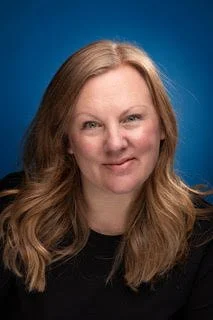
I’m Dr. Nicole Sucre, a palliative care psychologist specializing in neurological illness.
Supporting individuals and families through serious medical decisions has been a central focus of my work.
I have spent almost twenty years accompanying people as they face high-stakes choices in serious illness — moments when medical information alone is not enough and emotional clarity becomes essential.
This work has included extensive work in palliative care settings, collaborating with physicians, social workers, nurses, and chaplains as people navigate complex treatment choices and changing goals of care.
These experiences have shaped how I approach decision support in my practice.
Major medical decisions are rarely about information alone. They involve values, identity, love, responsibility, and often grief.
In our work together, I bring familiarity with the landscape of medical decision making, while keeping my focus on the emotional and relational experiences that shape them.
My role is not to tell you what to do.
It is to help you think clearly, feel fully, and arrive at decisions that reflect who you are and what matters most - at the pace that is right for you.
Serious decisions deserve time, thoughtful reflection, and genuine support.
Taking the Next Step
If you are facing complex treatment decisions, advance care planning conversations, transitions in care, or end of life options, therapy can help you move through them with greater clarity and steadiness.
A free 20-minute phone consultation offers a simple place to begin.
The first shift begins by reaching out and having a conversation.